
LASIK vs. PRK: How to Know Which Laser Eye Surgery Fits Your Cornea Shape
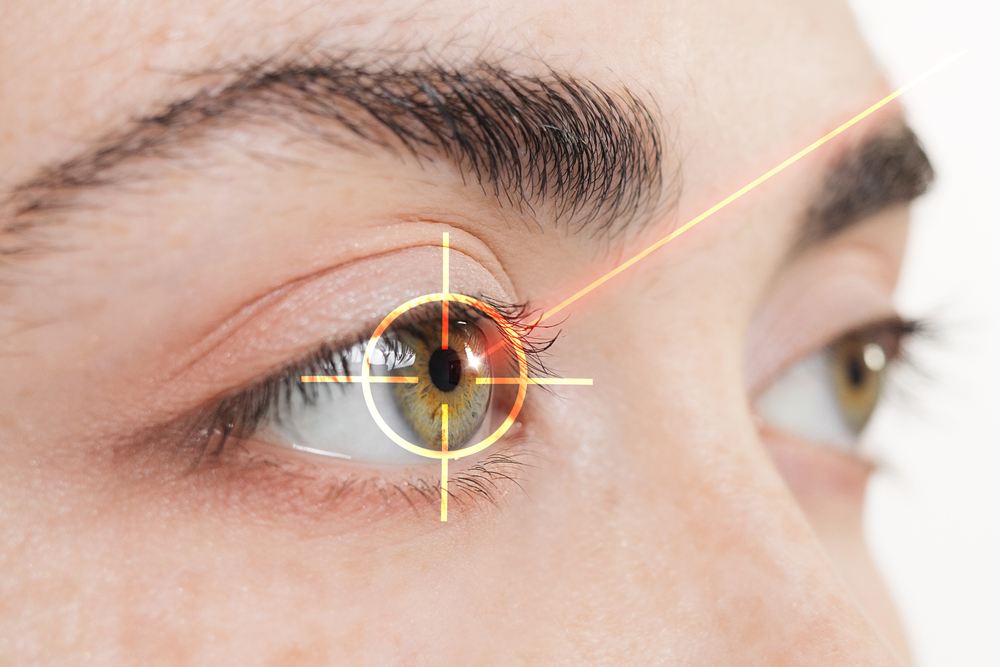
If you're considering laser eye surgery to reduce your dependence on glasses or contact lenses, understanding the differences between LASIK and PRK is an important first step. Both procedures reshape the cornea to correct vision, but your corneal thickness, shape, and overall eye health help determine which option may be appropriate. At 20/20 Vision Express in Fargo, ND, we help patients explore their laser vision correction options and understand what makes them suitable candidates.
Understanding the Difference Between LASIK and PRK
LASIK (Laser-Assisted In Situ Keratomileusis) and PRK (Photorefractive Keratectomy) are procedures designed to correct nearsightedness, farsightedness, and astigmatism.
LASIK involves creating a thin flap in the cornea, using a laser to reshape the underlying tissue, and repositioning the flap. Many patients experience relatively quick visual recovery.
PRK removes the cornea's outer epithelial layer before laser reshaping. This layer naturally regenerates during healing. Although PRK generally requires a longer recovery period, it may be preferable for certain patients with thinner corneas.
How Corneal Shape Affects LASIK and PRK Candidacy
Your cornea's structure plays a significant role in determining whether laser eye surgery is safe and appropriate. Corneal mapping, also called topography, helps evaluate its curvature and identify irregularities that may affect surgical outcomes.
Several factors influence whether LASIK or PRK may be recommended:
Corneal Thickness: LASIK requires sufficient tissue for flap creation and laser reshaping. PRK may be an alternative for some patients with thinner corneas.
Corneal Curvature: Unusual curvature patterns can affect candidacy and require further evaluation.
Astigmatism: Both procedures can correct many forms of regular astigmatism, depending on prescription and corneal measurements.
Corneal Irregularities: Conditions such as keratoconus may make both LASIK and PRK unsuitable because of increased risk of corneal instability.
Prescription Stability: A stable prescription helps determine whether laser vision correction is appropriate.
Our Fargo eye care team can discuss these factors and help patients understand the findings needed for a surgical evaluation.
Is PRK Better for Thin Corneas?
For patients with thinner corneas, PRK may offer certain advantages because it does not require creating a corneal flap. This preserves more of the cornea's structural tissue compared with LASIK.
However, thin corneas do not automatically make someone a PRK candidate. The amount of correction needed, remaining corneal thickness, and corneal shape must all be evaluated.
PRK also typically involves more discomfort during initial healing and a slower return to clear vision than LASIK. Both procedures have potential risks, including dry eye, glare, and other visual disturbances.
What to Expect During a Laser Eye Surgery Consultation
Before choosing LASIK or PRK, a comprehensive assessment of your eyes is essential. A refractive surgery evaluation typically includes corneal thickness measurements, corneal mapping, prescription assessment, and tear film evaluation.
At 20/20 Vision Express in Fargo, we provide LASIK and PRK surgery co-management, including preoperative and postoperative care. We can help determine whether a surgical consultation is appropriate, answer questions about your options, and coordinate care throughout the process.
Explore LASIK and PRK Options in Fargo, ND
Choosing between LASIK and PRK starts with understanding your corneal health and vision needs. Schedule an appointment with 20/20 Vision Express at 1300 Gateway Dr S, Fargo, ND 58103, or call (701) 235-0280 to learn more about laser eye surgery candidacy and our surgery co-management services.
Quick Links
Helpful Articles

All Eye Care Services
Find personalized eye care excellence with our comprehensive services. From eye exams to advanced diagnostics, trust us for all your vision needs.

Keep In Touch
For non-urgent questions or to learn more about our services, contact us today!
© 2026 20/20 Vision Express. All rights Reserved - Accessibility Statement - Privacy Policy - Sitemap
Managed and Designed by 